




Seventy-Five Years of the Volkswagen Bus
Seventy-five years ago, a Volkswagen icon was born. The Volkswagen Type 2 came off the Wolfsburg assembly plant to transform family transportation for the next seven decades. Notably, it was a minivan before the category became popular. The Type 2 was known by several names. American consumers simply called it “the Bus.”
Volkswagen took the same platform from the Type 1 Sedan, which we know as the Beetle, and stretched it. Then, they added a van body on top of it. At first, they made cargo van versions of it for commercial customers. In Europe, they called them Transporters – modern versions are still called that today. They proved to be popular among small businesses here. They also made a four-door pickup truck version – an early crew cab.
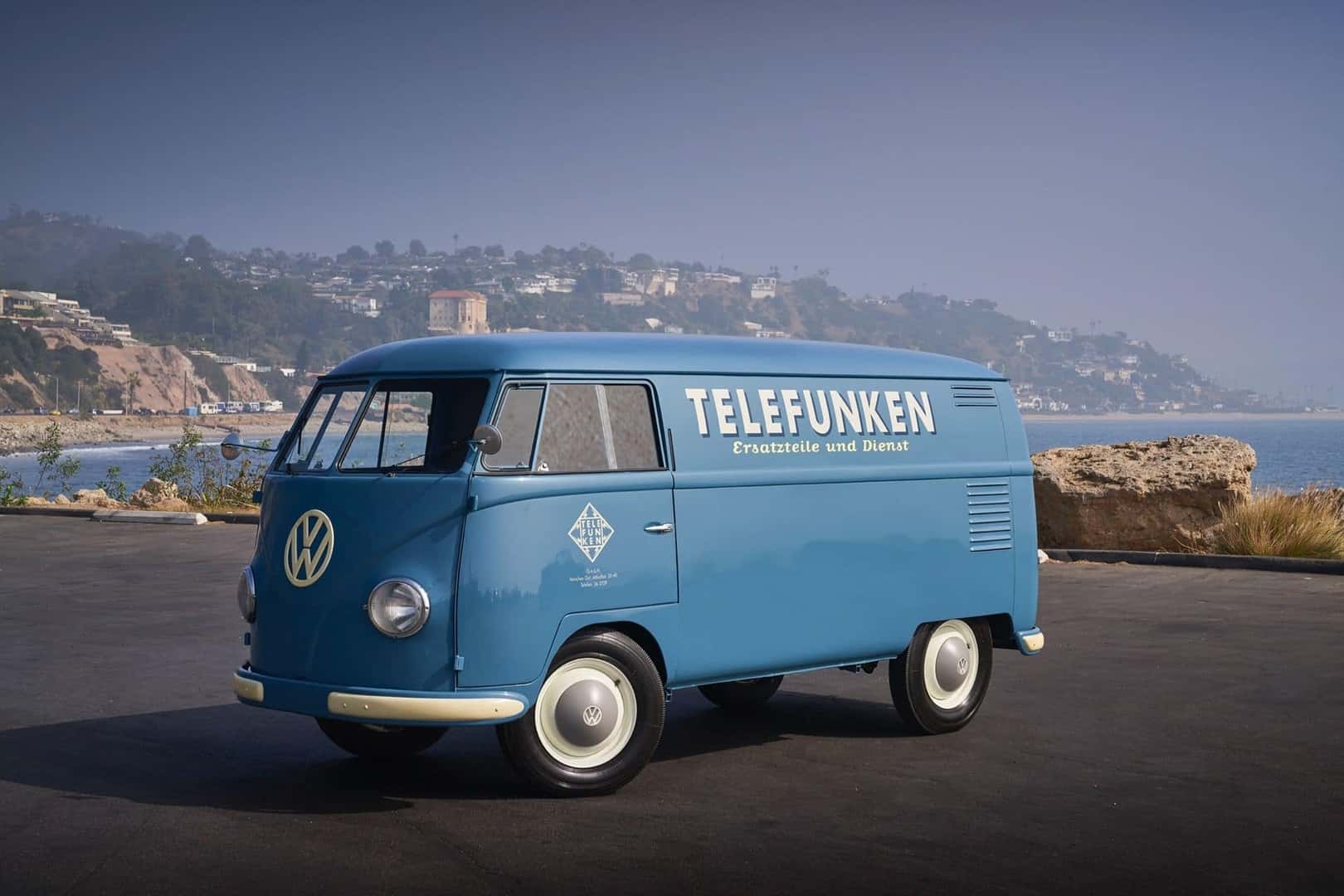
What really sold in this country was the passenger version. It came at the right time – the Baby Boom. As families sought to find ways to comfortably transport more than three children, the Type 2 Microbus – or “Bus” – fulfilled that need.
The first models had split front windows, which could be opened for extra ventilation. Over the years, various window configurations were offered, including wrap-around rear pillar windows. Also, earlier models offered additional side windows mounted just above the regular side ones.
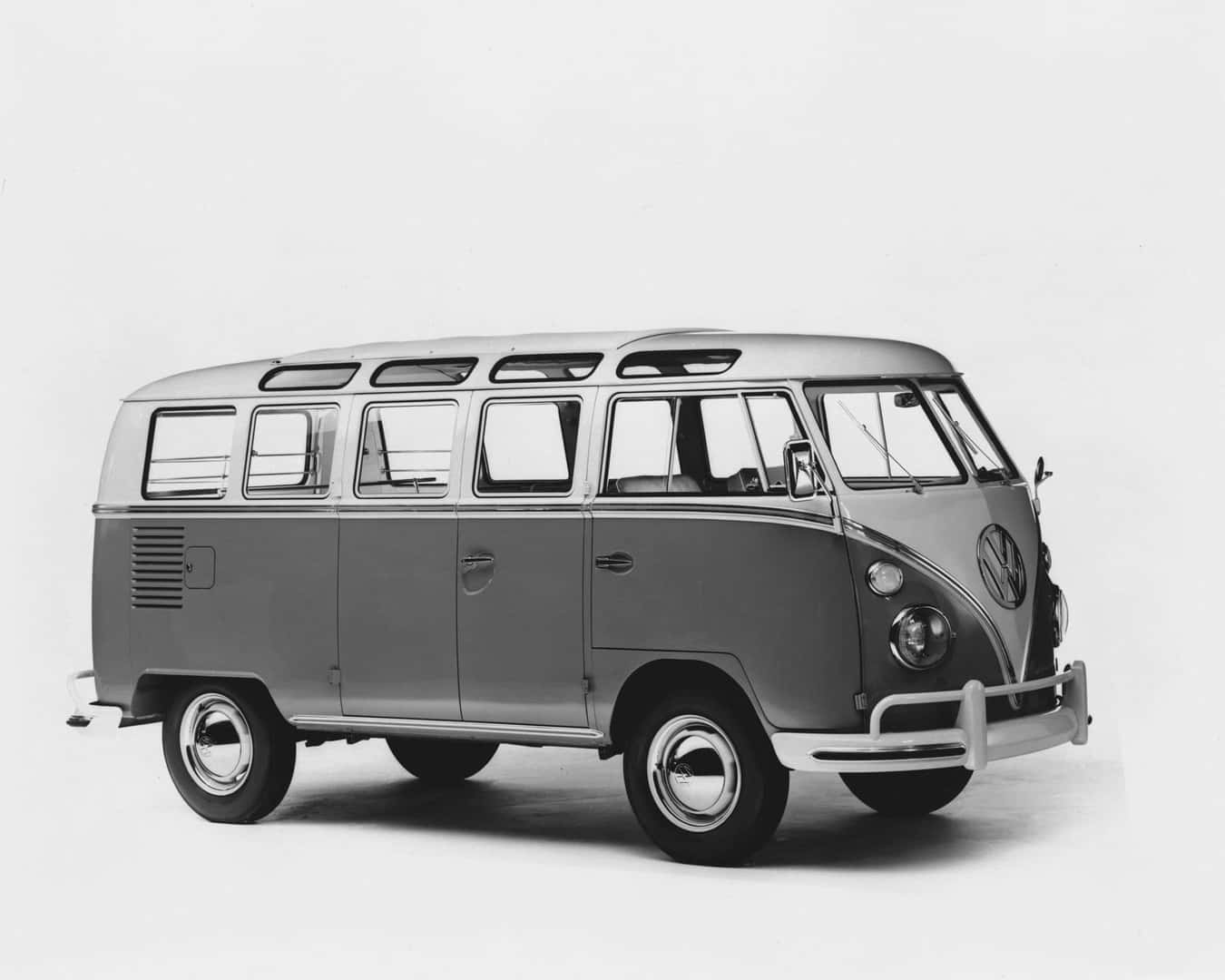
The original models had side barn doors for the rearward passengers to enter through. Plus, the driver and front passenger sat ahead of the axle. Older models did not offer much protection up front, so they literally had only the front end to protect them from an accident.
The V-shape up front framed various two-tone paint jobs that were in fashion early on. Most models wore white as the “top” color with a variety of modern hues for the time. Volkswagen contracted a West German camper conversion company named Westfalia to transform the Type 2 into a camper. They came with the iconic pop-up roof that could sleep up to two children.
As with the Beetle, Type 2s had air-cooled rear engines. For the first three years, that engine only produced 24 horsepower. It was supplanted by a slightly larger engine with just 30 horsepower.
The original Type 2s sold as well as the Beetle in America. Eventually, they would become a symbol of the counterculture in the 1960s. A practical vehicle that could bring people together into the “Summer of Love” at their own pace.
The classic Type 2 Buses were in production through 1966. The 1967 model modernized to what is known as the “Breadloaf” design. The front end was flattened out, and the design was cleaner for the time. Gone were the split front windows, glass on top of the roof, and side barn doors. Instead, there were just three windows on each side and a passenger-side sliding door.
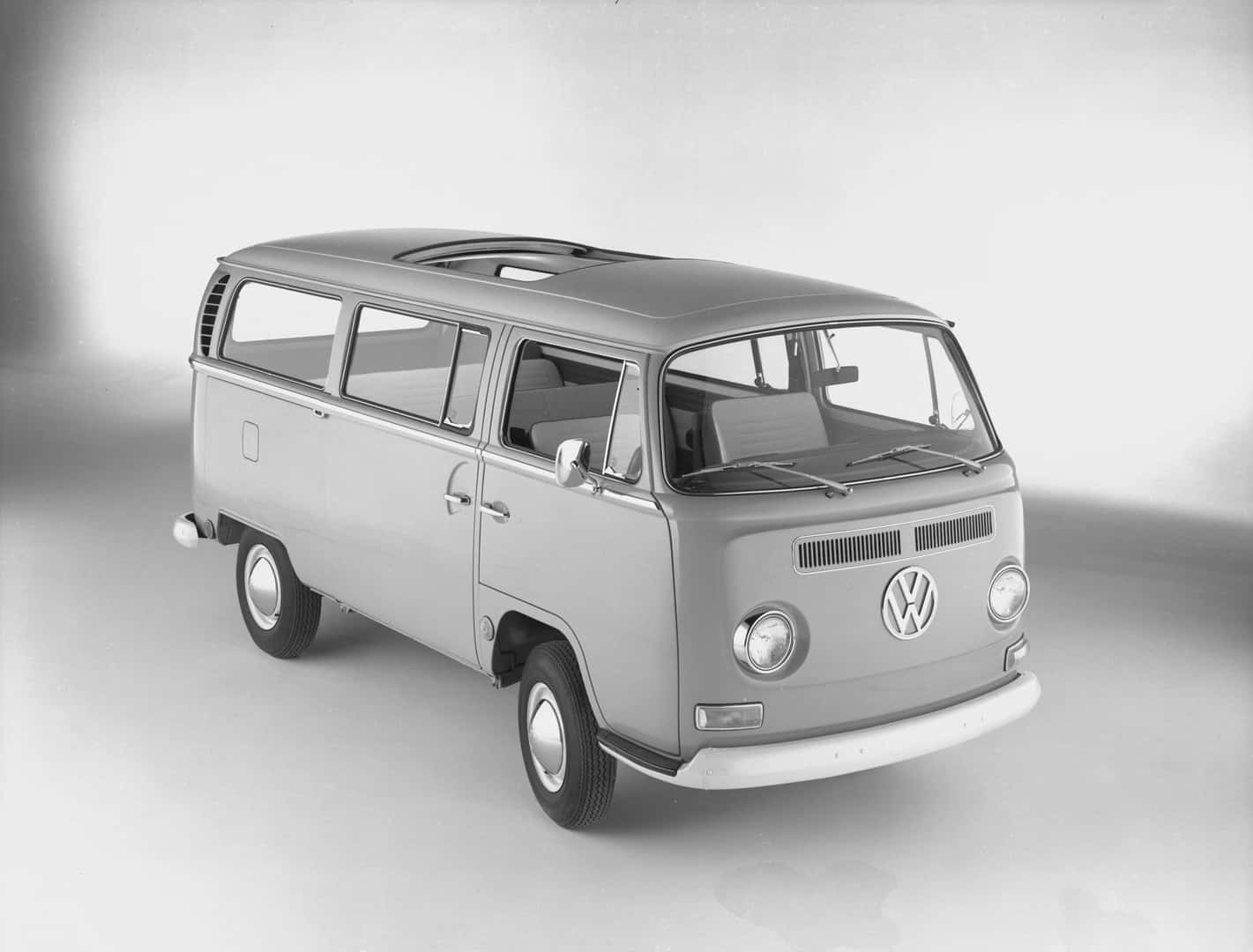
Power was up thanks to a larger engine and more gears in the transmission. You could also get an automatic transmission with your Bus. The Westfalia camper van rode the wave of the growing popularity of recreational vehicles in the 1970s. They also resolved the front safety issue by adding more protection for front occupants by changing the steering wheel angle and moving the driver away from the front panel.
By 1980, the classic design faded away. A modern Volkswagen design took hold, along with a new name – Vanagon. The formula remained the same: an air-cooled flat-four-cylinder engine, a choice of manual or automatic transmissions, an available Westfalia camper, along with three rows of seats for families of up to seven.
During the 1980s, the Vanagon went through many mechanical transformations. Instead of air-cooled engines, Volkswagen switched to liquid-cooled versions of the same engines. They also introduced a diesel engine – the same one that powered the Rabbit, Golf, and Jetta.
By 1990, the minivan market was heating up. Volkswagen created a more modern vehicle that we called the EuroVan. The new vehicle saw the engine switch to a liquid-cooled in-line engine mounted up front and ahead of the passenger area. They kept the three rows of seats and retained the Westfalia camper version. Even Winnebago Industries sold an RV based on one. The EuroVan continued to be sold in America until 2003.
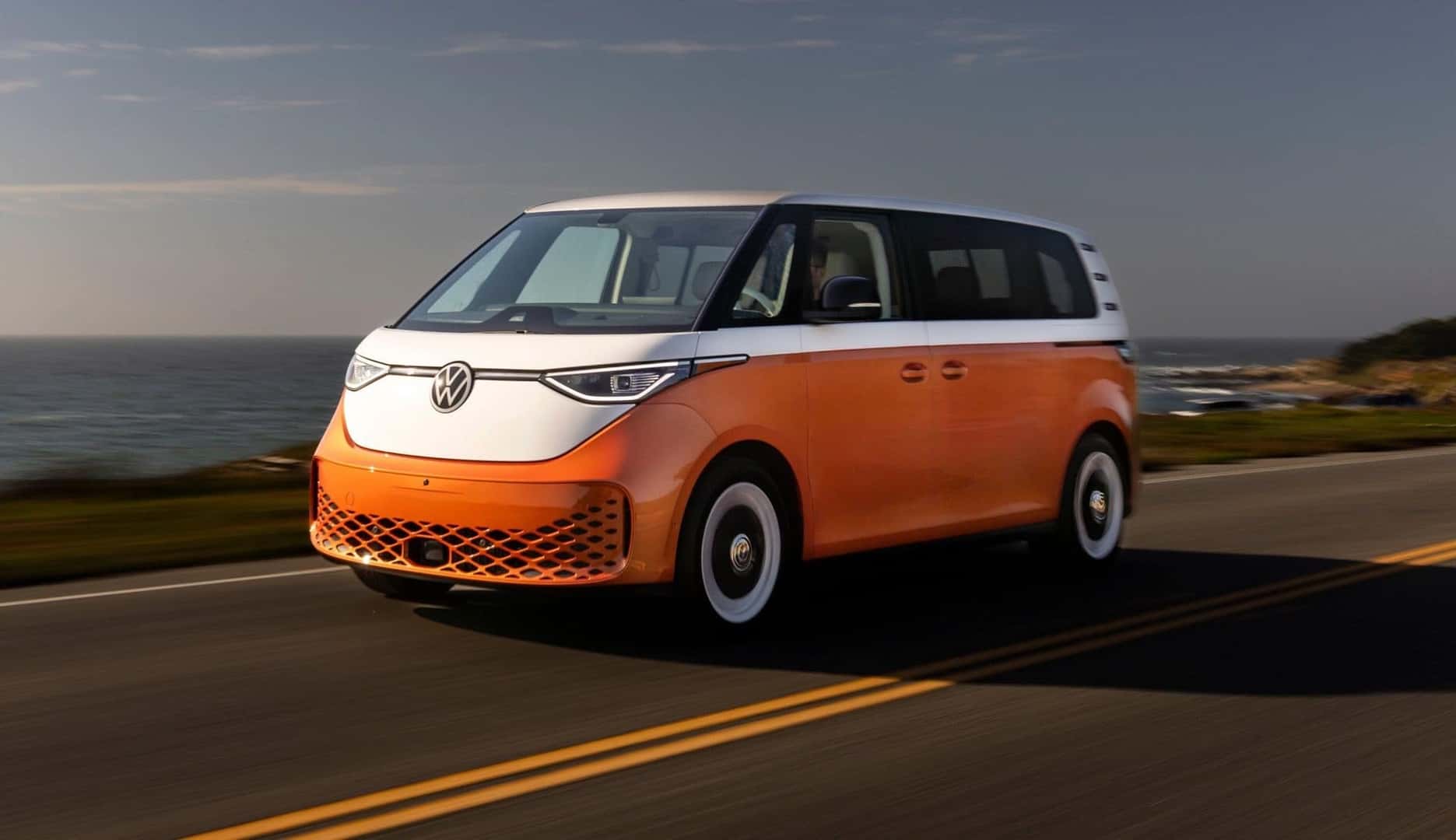
Which brings us to today. The 2025 ID. Buzz is the spiritual successor of the Type 2, shaped in a way that reminds you of the original. The battery-electric minivan has three rows of comfortable seating in a spacious cabin. The standard electric motor is mounted where the original flat-four was located – in the rear.
Join Bud Brown Volkswagen – the home of the Bud Brown Advantage Lifetime Limited Warranty – as we celebrate 70 years of our iconic Bus. While you are at it, contact us to take a look at the new ID. Buzz for inspiration.
0 comment(s) so far on Seventy-Five Years of the Volkswagen Bus