




Safety Tips for Traveling with Pets
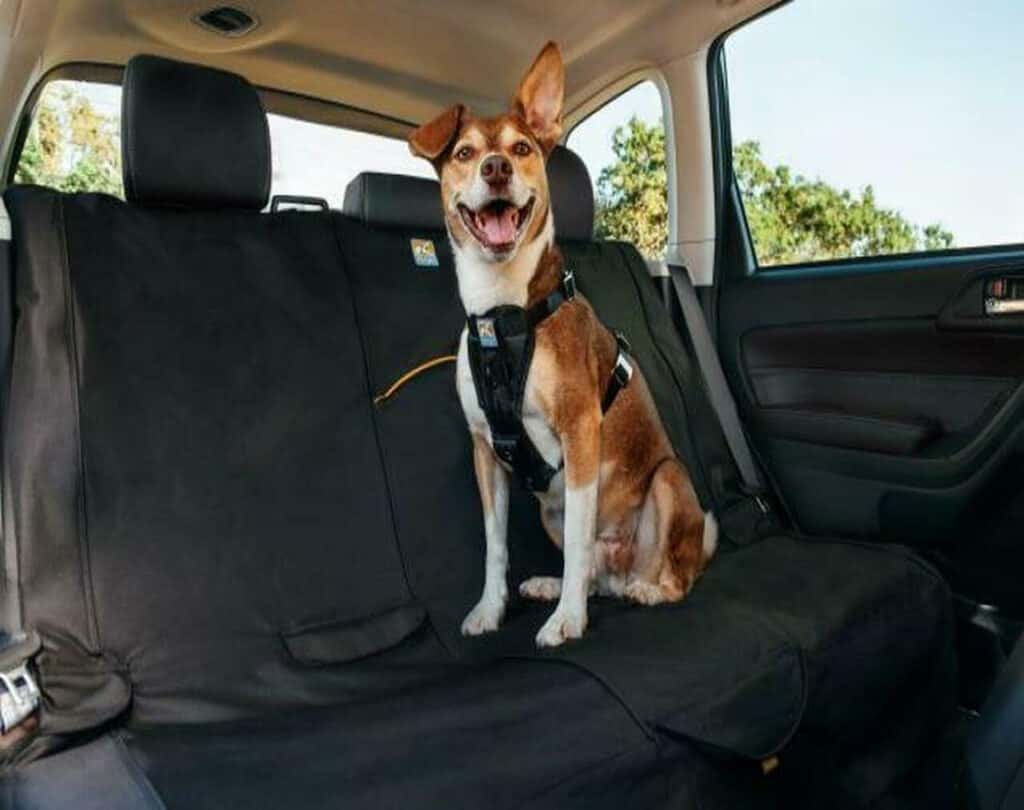 Pets are rarely ambivalent about riding in cars. They either love it and jump enthusiastically into vehicles or loathe it with a passion, complaining loudly while dashing about the cabins, searching for ways out, trying to find the tiniest crevice in which to hide from the experience. Conventional wisdom holds that dogs are the car enthusiasts and cats are the detractors, but there are exceptions on both sides. Still, unless your vet’s office is within walking distance, driving with pets is unavoidable, and you want them to be safe. Bud Brown Volkswagen offers these tips for having your pet ride safely.
Pets are more vulnerable than humans in a car accident because seatbelts aren’t designed for their body shape, and they lack awareness of what is safe and unsafe in a vehicle. The tendency of dogs to poke their heads out the window clearly illustrates this. So, first of all, don’t let your dog do the window thing. They may enjoy it, and it’s fun to watch, but their standing position is inherently unstable, and road dust in their eyes can be painful, potentially harmful, and costly. It also puts strain on your seats and door panels. We have moved past the time when we allowed our kids to move about loosely in moving cars, so it’s time to protect our pets in the same way.
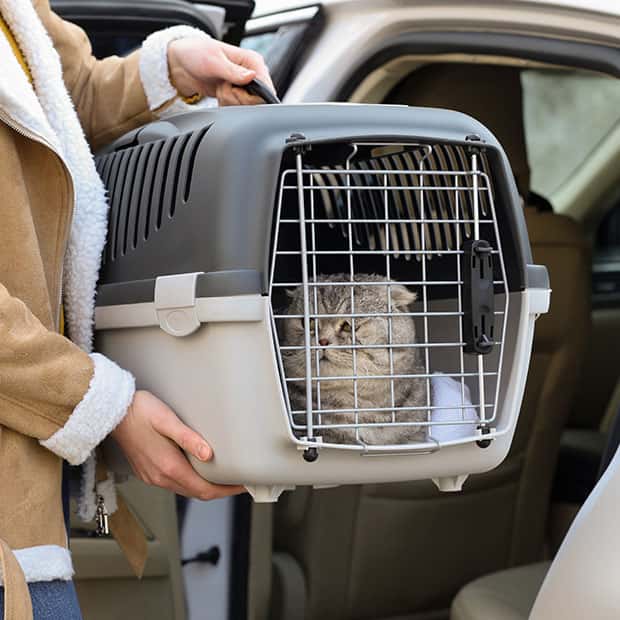
If your pet hates riding in the car, chances are you transport him or her in a car carrier, if only because it’s the only way to get your pet into the vehicle. It may seem logical that if you want to protect your pet from an accident, you would simply buckle up the pet carrier. However, this is not recommended. Pet carriers are not designed to maintain their structural integrity when pressed hard against a seatbelt. With enough force, the carrier shell can collapse, potentially crushing its occupant or causing severe lacerations from the sharp plastic edges.
A better action is to place the carrier on the floor between the front and back seats. This way, the force of a frontal impact will be distributed across the entire side of the carrier. If the vehicle is small, consider moving the front passenger seat all the way forward, and if there is a passenger, have him or her sit behind the driver and comfort the pet during the trip.
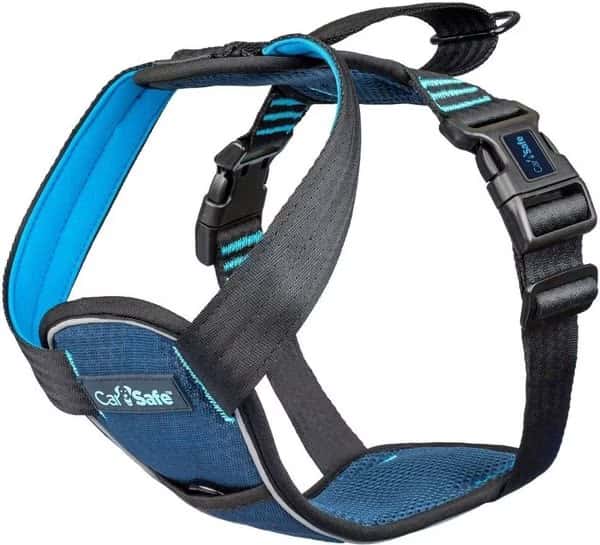
Consider using a high-quality safety harness for dogs that are too large for carriers. Remember that not all harnesses serve the same purpose. Some are merely leashes that connect to the car and collar, designed to prevent the dog from jumping into the front seat and distracting you while driving. In the event of a collision, this setup would only restrain your dog by the neck, which can be quite harmful.
Instead, look for a restraint that includes a body harness to spread the force of an accident across the body. The harness will connect to straps that attach to the LATCH/Isofix points in and behind your rear seat, where child seats are mounted. Sure, your dog won’t be able to move freely in the car; just like a belted person, we all accept that. Ensure the harness manufacturer states that the unit has been crash-tested, and consider checking out videos of that testing on the company’s website.
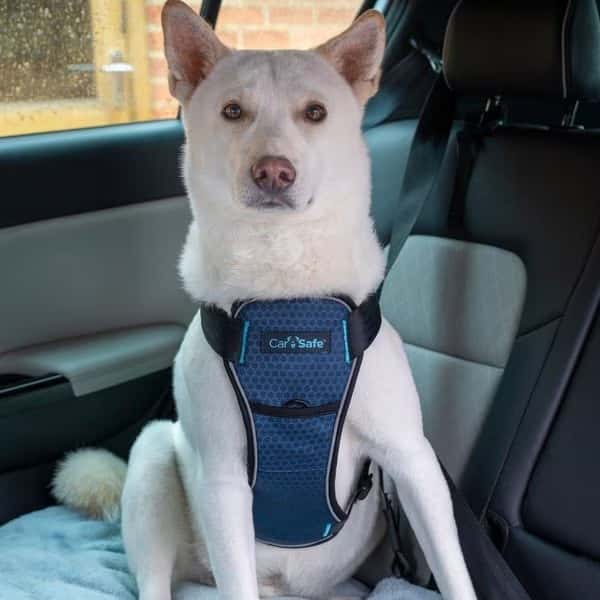
While preserving your car’s interior is less important than ensuring your pet’s safety, it remains a concern. Volkswagen provides easy-to-install seat and cargo area covers designed specifically for your model. Most pet shops will carry safety harnesses, and Bud Brown Volkswagen can supply the necessary interior protection. Get your car ready for those pet trips ahead of time so everyone can travel safely.
0 comment(s) so far on Safety Tips for Traveling with Pets